
StevenGuthmiller
-
Posts
15,071 -
Joined
-
Last visited
Content Type
Profiles
Forums
Events
Gallery
Everything posted by StevenGuthmiller
-

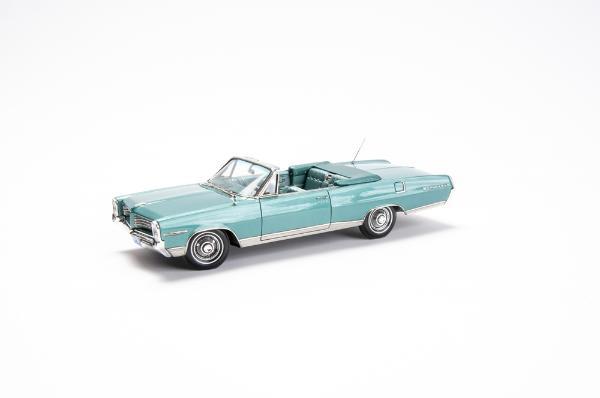
1964 Pontiac Bonneville Convertible.
StevenGuthmiller replied to StevenGuthmiller's topic in WIP: Model Cars
First, I have to apologize Joe, for not responding to your question until now. The wife and I were on a short trip over the weekend, and I didn’t take the time to really check what was going on on the board. But in short, the answer is yes, you can apply embossing powder, (I apply it using slightly thinned white glue) and when completely dry, paint over it. Not a difficult operation in the least. Steve -
1941 Plymouth?
StevenGuthmiller replied to Dpate's topic in General Automotive Talk (Trucks and Cars)
These subjects about 50 or 60 year old tools come up all of the time, and the only response that comes to mind is, “there are a lot of these “turds” out there that have been built to very high standards. It just takes an accomplished and dedicated “polisher”. Steve -
What did you see on the road today?
StevenGuthmiller replied to Harry P.'s topic in General Automotive Talk (Trucks and Cars)
Saw this "little" gem at a gas station in Belle Fourche South Dakota and had a nice conversation with the owner. Beautiful 1957 Dodge Custom Royal, and a great guy! Steve -
Best Results for Flocking
StevenGuthmiller replied to ncbuckeye67's topic in Tips, Tricks, and Tutorials
Here's my latest attempt with embossing powder For various reasons, I wasn't particularly pleased with the color uniformity this time, but a quick coat of flat turquoise enamel remedied the situation. Steve -
Is this a gloss clear coat?
StevenGuthmiller replied to Milo's topic in Model Building Questions and Answers
Pretty much how do it too. I just don't have the fortitude to do it with a Dremel! Steve -
1964 Pontiac Bonneville Convertible.
StevenGuthmiller replied to StevenGuthmiller's topic in WIP: Model Cars
I just use slightly thinned white glue. Steve -
1964 Pontiac Bonneville Convertible.
StevenGuthmiller replied to StevenGuthmiller's topic in WIP: Model Cars
Thanks Jim! Got the embossing powder down on the floors this afternoon, but I wasn't really satisfied with the coverage or color uniformity. I don't have any turquoise embossing powder, so I mixed some blue and green, but strangely, it appeared that the 2 powders were different weights, and they seemed to want to separate on me, affecting the color uniformity. Plus, I made the mistake of using a darker colored powder over a lighter substrate, so coverage wasn't great either. Luckily, it's an easy fix. A little flat enamel mixed up and sprayed on fixes the issues very well. Nice and even in all aspects now. Steve -
Is this a gloss clear coat?
StevenGuthmiller replied to Milo's topic in Model Building Questions and Answers
If it works over decals, chances are very good that it'll work over enamel. Steve -
Is this a gloss clear coat?
StevenGuthmiller replied to Milo's topic in Model Building Questions and Answers
The gauge faces are all decals. Steve -
Is this a gloss clear coat?
StevenGuthmiller replied to Milo's topic in Model Building Questions and Answers
Be careful with the Testors enamel gloss coats too. I'm not sure of the one that you've referenced Jeff, but the old Testors clear gloss enamel in the spray can, right up to the Model Master gloss enamel, will yellow horribly right out of the can, especially over light colors, and it has a tendency to worsen over time. I sprayed the clear portion of this steering wheel with Model Master #2936 "High Gloss Enamel Top Coat" solely for the purpose of giving it a slightly aged look, and it worked perfectly. Wouldn't look so perfect over a white paint job though. Steve -
1964 Pontiac Bonneville Convertible.
StevenGuthmiller replied to StevenGuthmiller's topic in WIP: Model Cars
Thanks fellas. They look like they'll do the trick. Steve -
Will dark green plastic bleed through?
StevenGuthmiller replied to av405's topic in Model Building Questions and Answers
Shouldn’t be an issue as long as you prime it well. Plan on using several coats of primer to ensure that it’s covered completely. A primer sealer is never a bad idea either. Steve -
Is this a gloss clear coat?
StevenGuthmiller replied to Milo's topic in Model Building Questions and Answers
I’m going with this. ? Steve -
Is this a gloss clear coat?
StevenGuthmiller replied to Milo's topic in Model Building Questions and Answers
It's embossing powder. Steve -
If I ever build another one of these, I'm going to do this Savoy. Steve
-
1964 Pontiac Bonneville Convertible.
StevenGuthmiller replied to StevenGuthmiller's topic in WIP: Model Cars
Floor mats are done! Steve -
Is this a gloss clear coat?
StevenGuthmiller replied to Milo's topic in Model Building Questions and Answers
By the way......the finished floor mats. Steve -
Is this a gloss clear coat?
StevenGuthmiller replied to Milo's topic in Model Building Questions and Answers
You can, but I would just wait and sand and polish at the end. Steve -
Is this a gloss clear coat?
StevenGuthmiller replied to Milo's topic in Model Building Questions and Answers
Just sprayed these parts about 2 hours ago. They were painted with a custom mix of Testors flat enamels, thinned with mineral spirits, and airbrushed yesterday. The white Pontiac crests were brush painted last night with Mr. Hobby "aqueous" white acrylic. (water based) Tonight they were sprayed with a medium coat of Testors #1261 "Glosscote" spray lacquer. No problems whatsoever. One coat of this lacquer over flat enamel will not give you a glossy finish. Just a nice satin sheen, depth of color and the protection of a lacquer over coat......which is exactly what I was looking for in this case. Steve -
Is this a gloss clear coat?
StevenGuthmiller replied to Milo's topic in Model Building Questions and Answers
? Steve -
Is this a gloss clear coat?
StevenGuthmiller replied to Milo's topic in Model Building Questions and Answers
No. The regular clear lacquer is cheaper, and apparently won’t cause the same problems that it seems that the extreme does. I probably got a little carried away with my first response on this thread, as it just makes me a little crazy when people speak in absolutes on subjects like this. ”Never use lacquer over enamel” is overall a sound practice, but as with almost all things, it’s not an “absolute”. Although I still have a problem considering Testors lacquers an actual lacquer, that’s what it says on the can, so the extreme lacquer aside, which I confess that I have no experience with, the other Testors clear lacquers are absolutely safe to use over enamels. At least that has been my experience, and I have quite a bit of experience with using it in that fashion. Steve -
Is this a gloss clear coat?
StevenGuthmiller replied to Milo's topic in Model Building Questions and Answers
That could be. I wouldn’t know for sure if there’s any difference between the two. I don’t use any of that “extreme”garbage........just my opinion of course.. ? I guess my solution would be that if you want to use clear lacquer over enamel, just shy away from the “fancy label” and get the stuff that does the job. Steve -
Is this a gloss clear coat?
StevenGuthmiller replied to Milo's topic in Model Building Questions and Answers
Do yourself a great big favor and start learning how to work with lacquer paint instead of enamel. It’ll save you from having to jump through all of these hoops. You can basically spray anything over lacquer. Steve -
Is this a gloss clear coat?
StevenGuthmiller replied to Milo's topic in Model Building Questions and Answers
I don’t understand why everybody has so much trouble using Testors clear lacquer over enamel. I can’t remember the last time that I built a model where half of the parts weren’t first painted with enamel and cleared with Testors lacquer. Testors clear lacquer is in no way, shape or form a hot, automotive type acrylic lacquer. I have no idea what the formulation of the paint is, but I have my doubts that it’s even a lacquer in the normally accepted definition of the word. All that I “can” tell you is that I spray it over enamel all of the time, and by all of the time, I mean very frequently! As a matter of fact, I’ll be doing it tonight over some parts for my current project that were painted last night with flat enamel, and I haven’t even the slightest apprehension about it! Steve -
Is this a gloss clear coat?
StevenGuthmiller replied to Milo's topic in Model Building Questions and Answers
?????? Steve