64Comet404
-
Posts
991 -
Joined
-
Last visited
Content Type
Profiles
Forums
Events
Gallery
Everything posted by 64Comet404
-
It’s the old JoHan ‘64 Dodge Super Stock kit. The main difference in the body between this kit and the annual kit is the removal of the Polara side trim.
-
The Nomad tooling dates from 1965, and I can remember the gasser front end being tricky (didn’t know to scrape the chrome from the gluing surfaces!). The stock front end wasn’t too bad, but it’s been a few years since I built one.
-

Kubelwagen
64Comet404 replied to unclescott58's topic in All The Rest: Motorcycles, Aviation, Military, Sci-Fi, Figures
Nice looking Kubelwagen! -
...and as the guillotine blade descended, the uber-rich brat’s last words were “Selfie!” ?
-
I seem to recall having mine in the early 1980s. IIRC, my aunt bought it for me at a Service Merchandise store in Syracuse NY (a reasonably close shopping trip for all the stuff you couldn’t buy in Canada at the time).
-
It's more a matter of feel than anything else. The needle needs to be in the airflow of the brush to work, but too high (or too low) could cause the tip to collect paint and lead to spattering. I don't use the distance as a hard and fast rule, but more as a guideline. What you are seeing is where I locked the needle assembly after cleaning, so I will need to tweak the adjustments before I start to paint a model.
-
I remember having that as a kid. At the time, it was hard to get permanent markers, so when you ran out of the materials in the box, all your future cars would be tinfoil coloured.
-
I usually lock the needle assembly in place so that there is about 1/16” between the back of the needle holder and the flange on the needle assembly, though I do adjust the location of the needle based on how well the paint is flowing. The key is to practice until you achieve results that you like. Scrap bodies, pop cans, paper, whatever helps you get used to controlling the brush. As for the VL, I would suggest practicing with the H until you become comfortable with spraying. The VL is a double-action airbrush (adjustable for both paint and airflow), so It adds in another layer of complexity while you paint.

-
Looks great, the rusting is very realistic.
-
I needed to paint some parts where the only colour match I had was Gravity Colors. However, I no longer have any Gravity clear. Can I use TS-13 over the finish, or should I use an acrylic clear?
-
Looks amazing! I’m glad that the resin people reproduced the flat Ford hubcaps that were on Eleanor, as well as the original 1971-73 AMT Mustangs; it took me years to find enough wheels to build a model of my ‘73 Mustang. Hopefully some manufacturer will step up and tool a brand new kit.
-
Tamiya 1/24 Porsche 911 (933) GT2 Clubsport
64Comet404 replied to Italianhorses's topic in Model Cars
Great looking build! Looking at yours has inspired me to put my Starcard GT2 on the ‘to be completed’ stack. -
Looks great, don’t see any major issues with the heat staining on the exhaust.
-
Talk to me about hard lines
64Comet404 replied to Monty's topic in Model Building Questions and Answers
I use various sizes of brass wire to form my hard lines. I have an old roll of brass beading wire, but it is so thick (.018”), that I tend to use it more for hanging parts for painting. If you can find brass beading wire in the .005-.010” range, it should work. -
Looks great, one of my favourite colours on a Galaxie! The AMT kit never had the trunk lettering engraved (the convertible and formal-roof hardtop promo did have it), but the new issue will have the lettering provided on the decal sheet.
-
Tamiya 1/24 Mazda MX-5 Miata NA BRG Edition
64Comet404 replied to Italianhorses's topic in Model Cars
Beautiful build, the colours really work well with this model. -
Tamiya LP series lacquer paints
64Comet404 replied to Dave Toups's topic in Model Building Questions and Answers
I spoke directly with the owner, so I don't know what happened with your previous order. -
I always used a #3 for spraying most hobby paints, and a #5 if I was spraying paint with a heavy metal flake content. The only time I use a #1 tip is when I need to spray inks for posters.
-
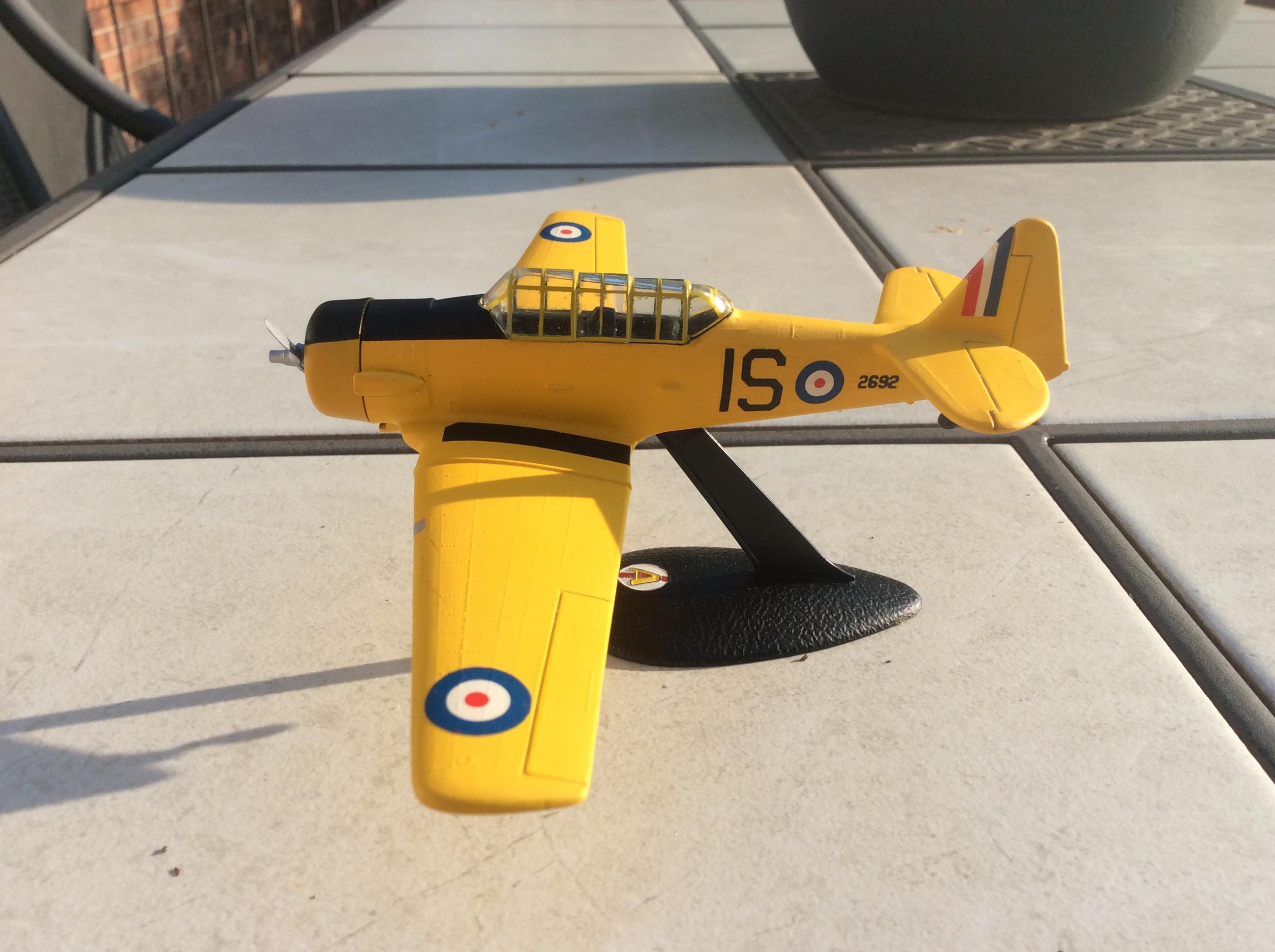
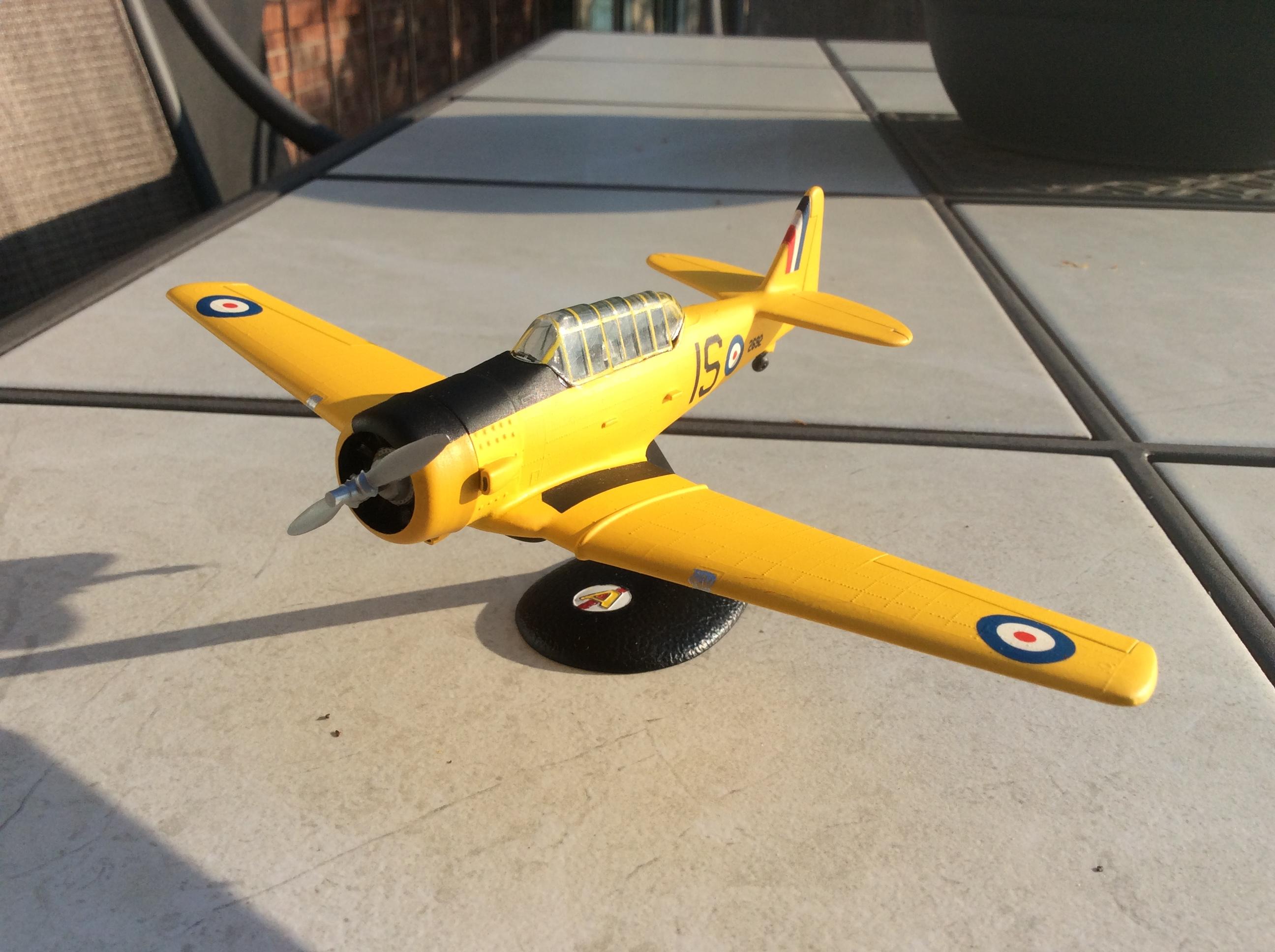
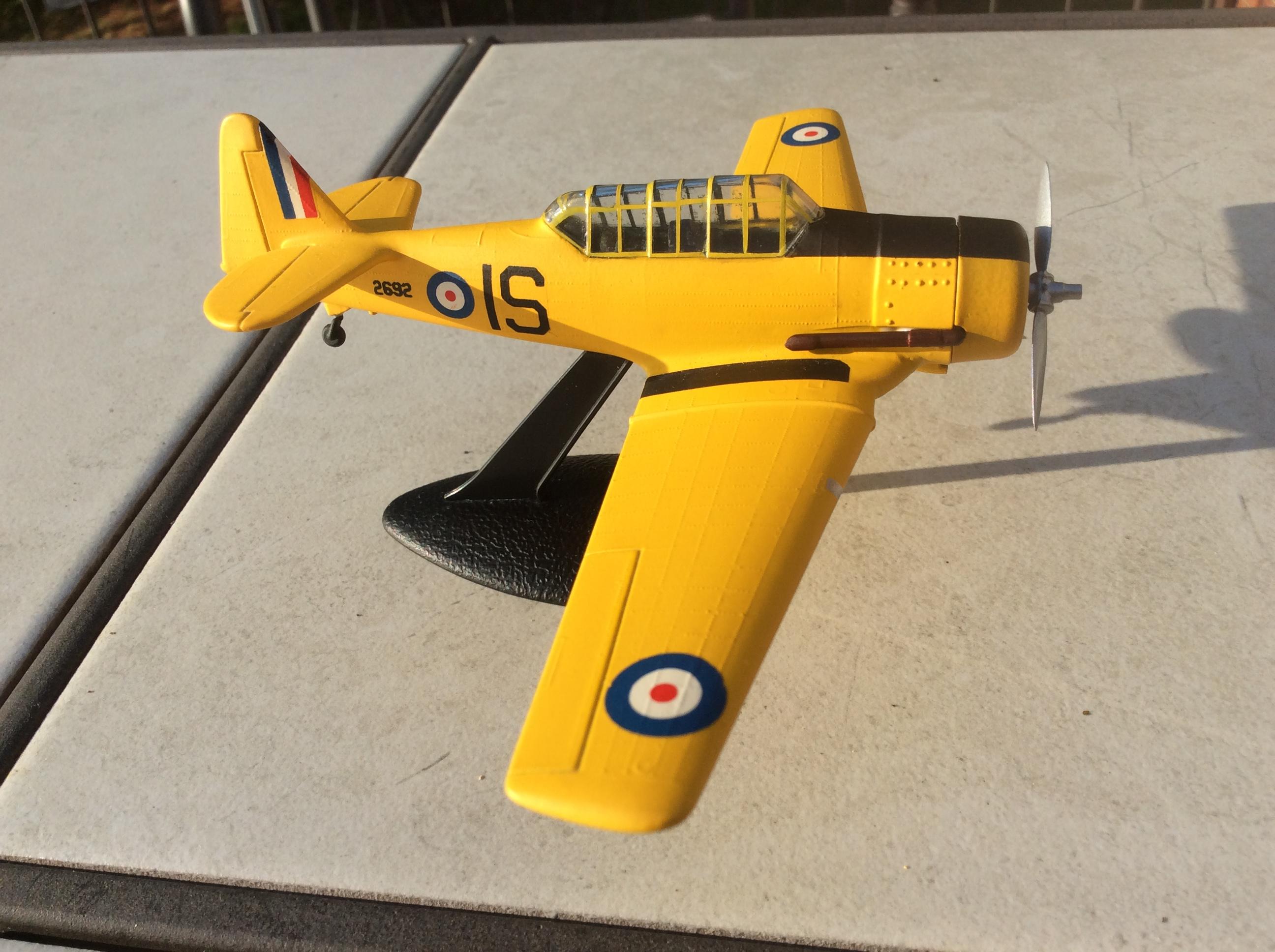
This is the Airfix/Craft Master 1:72 North American Harvard II, originally offered in 1965 (the kit was introduced in 1962). For its age, the kit is definitely workable, and builds up nicely. The decals are kit originals, and adhered well with Micro Set. The 1:1 aircraft, 2692, entered service with the RCAF in November 1940, and was based at four different airfields throughout its career, before being sold by Canadian Assets Disposal in January 1960. The funny aspect of this kit is that it is unintentionally wrong! The aircraft is a Harvard II. The decal scheme is for a Harvard II. But this paint scheme never flew on that plane!!! What happened? North American Aviation kept track of aircraft production through what was known as ‘charge numbers’. For instance, the charge number for a Canadian Harvard II is NA-66, which helps to separate specifications between it and a Harvard I (NA-61). The same rule holds true today in air forces, where differences in planes are designated by ‘block numbers’ (F16C Block 50, for example). When the RAF and other Commenwealth countries acquired their planes direct from North American through Lend-Lease, the aircraft were not NA-66s, but were basically re-badged AT-6C Texans. There are a bunch of minor mechanical differences, but the main visual difference is the rear fixed canopy. If it is fairly small and looks like the kit, it’s a Texan. If the rear canopy is longer and more rounded, it’s a Harvard. I can envision what was happening at Airfix circa 1962. The majority of British pilots had trained on the Harvard, so there’s a market. The draughtsman goes out to the local airfield, and measures a RAF Harvard II. Hilarity ensues. The bright side is that now Airfix can reissue it as a T-6 Texan, include the Stars and Bars, and sell it to many other modellers. Even with the issue, I enjoyed building the kit, and hope you like it.
-
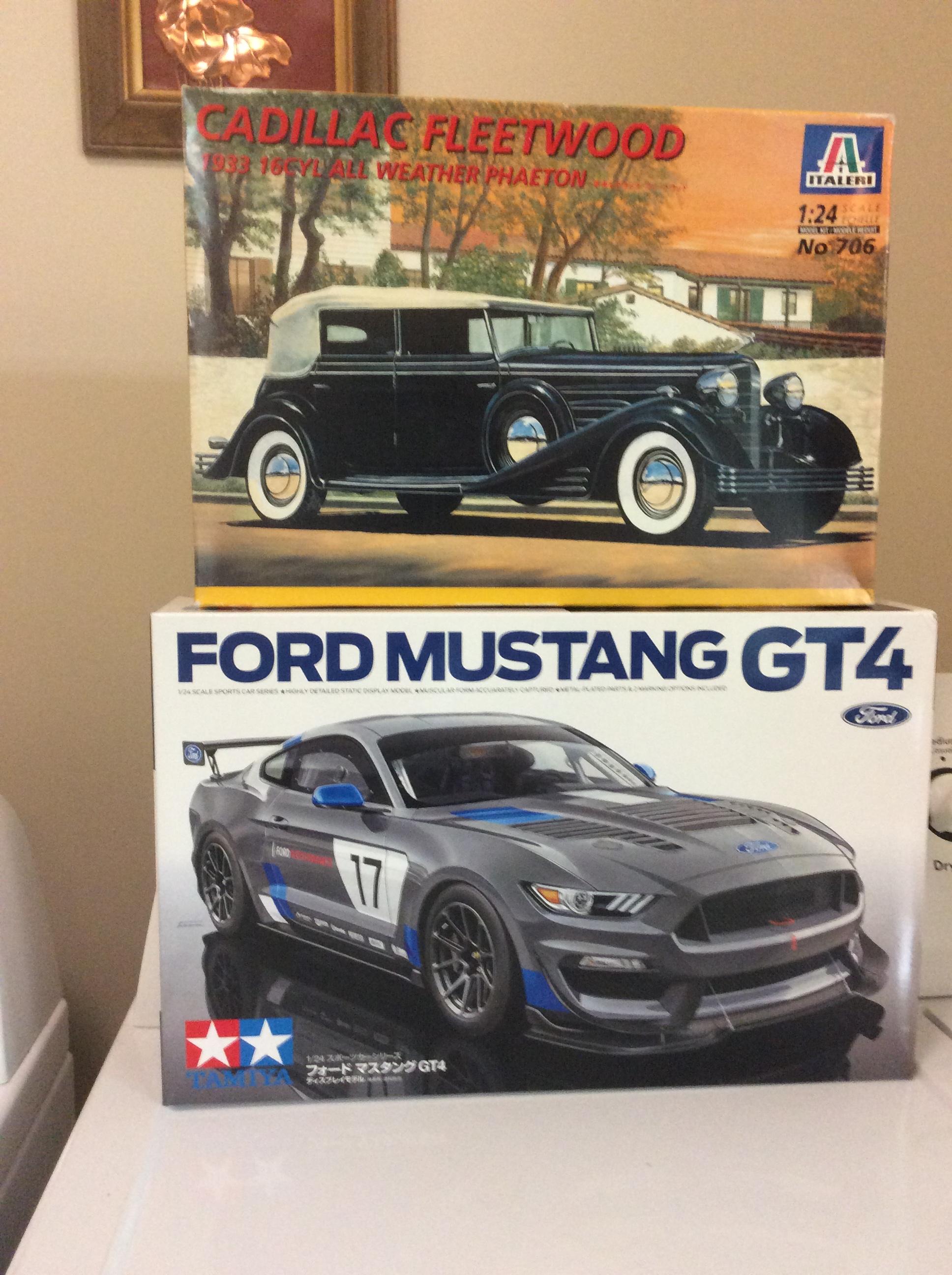
I wasn’t planning to get one of the Mustang GT4s, but I had a discount coupon burning a hole in my pocket. The Cadillac was a re-wrapped kit, but the price was right and it makes a nice addition to my Classics collection.
-
Tamiya LP series lacquer paints
64Comet404 replied to Dave Toups's topic in Model Building Questions and Answers
I checked with my local shop, and the owner told me they are willing to ship paint to the US, as long as it’s not in spray cans. They also have a full selection of the bottles of lacquer. Their website is www.hobcen.com. -
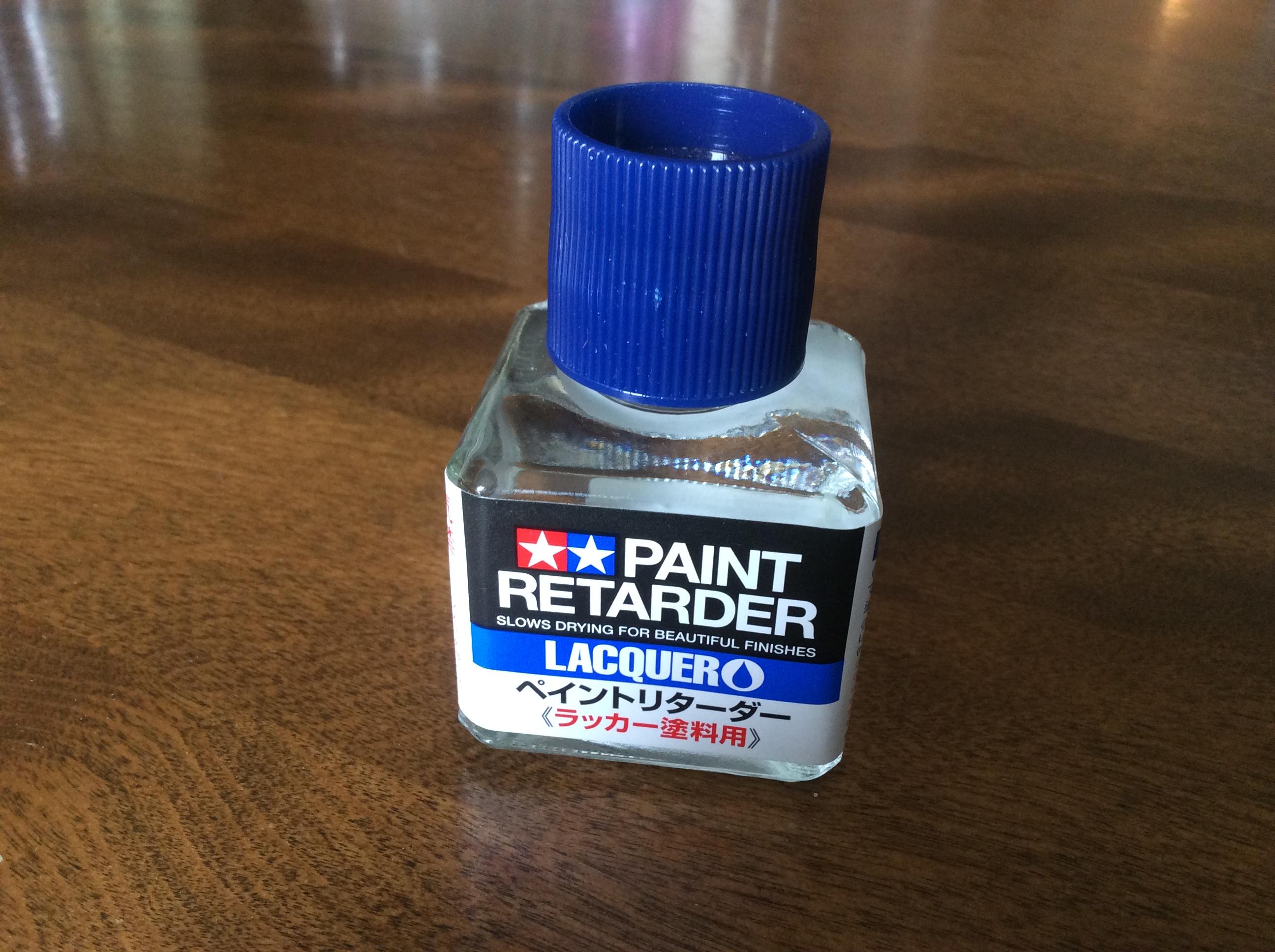
I haven’t seen the retarder type thinner yet here. I was at my local shop today, however, and Tamiya does make a separate lacquer retarder. Item number is 87198**260
-
Tamiya does have a retarder available for its acrylic line, but I haven’t seen it out yet for lacquers. With the LP series out now, I wouldn’t be surprised to see a retarder in the line soon. Btw, what tip are you using on your H? If you are using the #3, you may want to change it to the #5 for better paint flow before the thinner flashes. Hope this helps.
-
Moss 250 GT SWB 2735 GT
64Comet404 replied to williamdp's topic in Other Racing: Road Racing, Salt Flat Racers
Great build of a beautiful race car! -
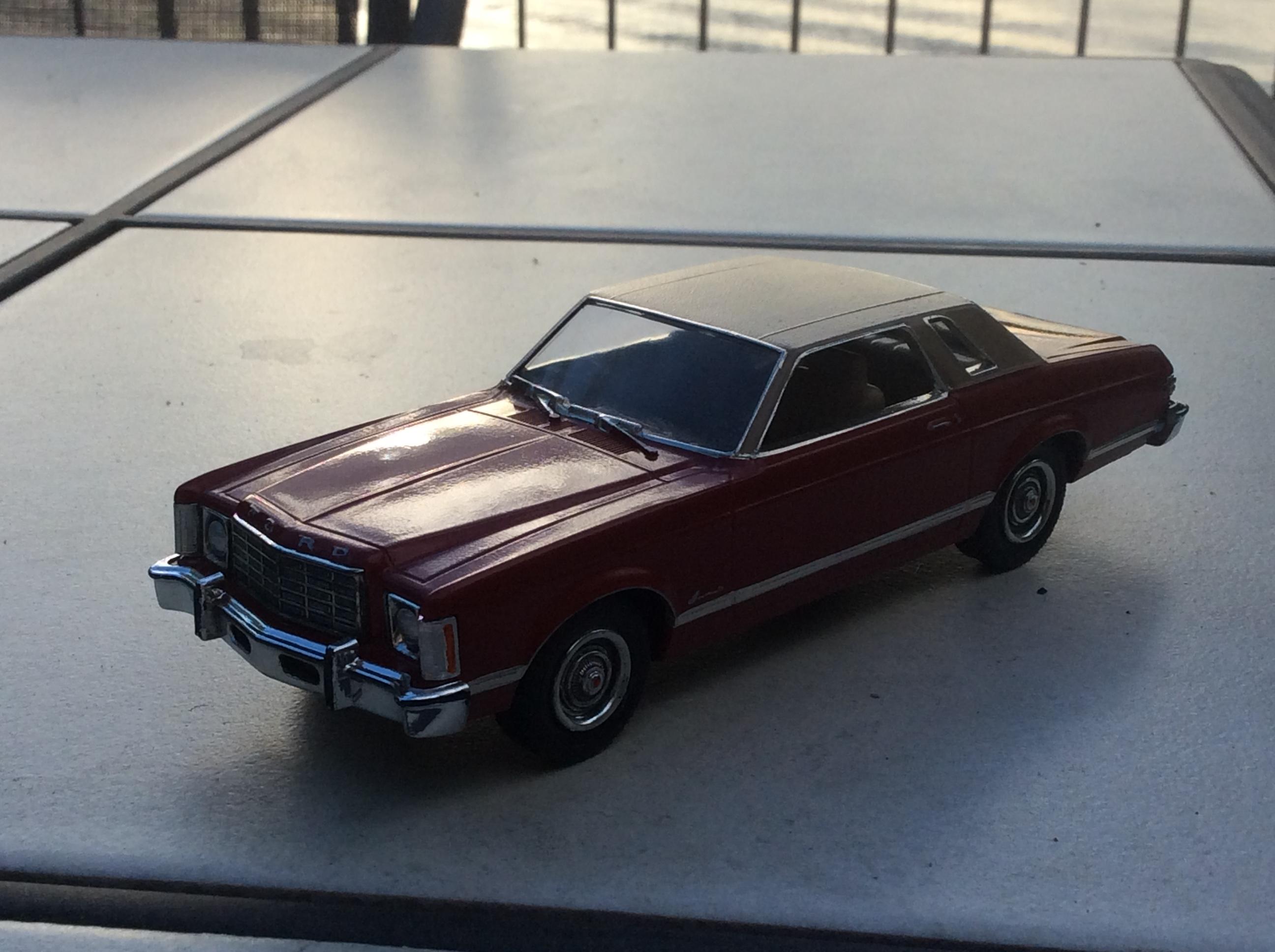
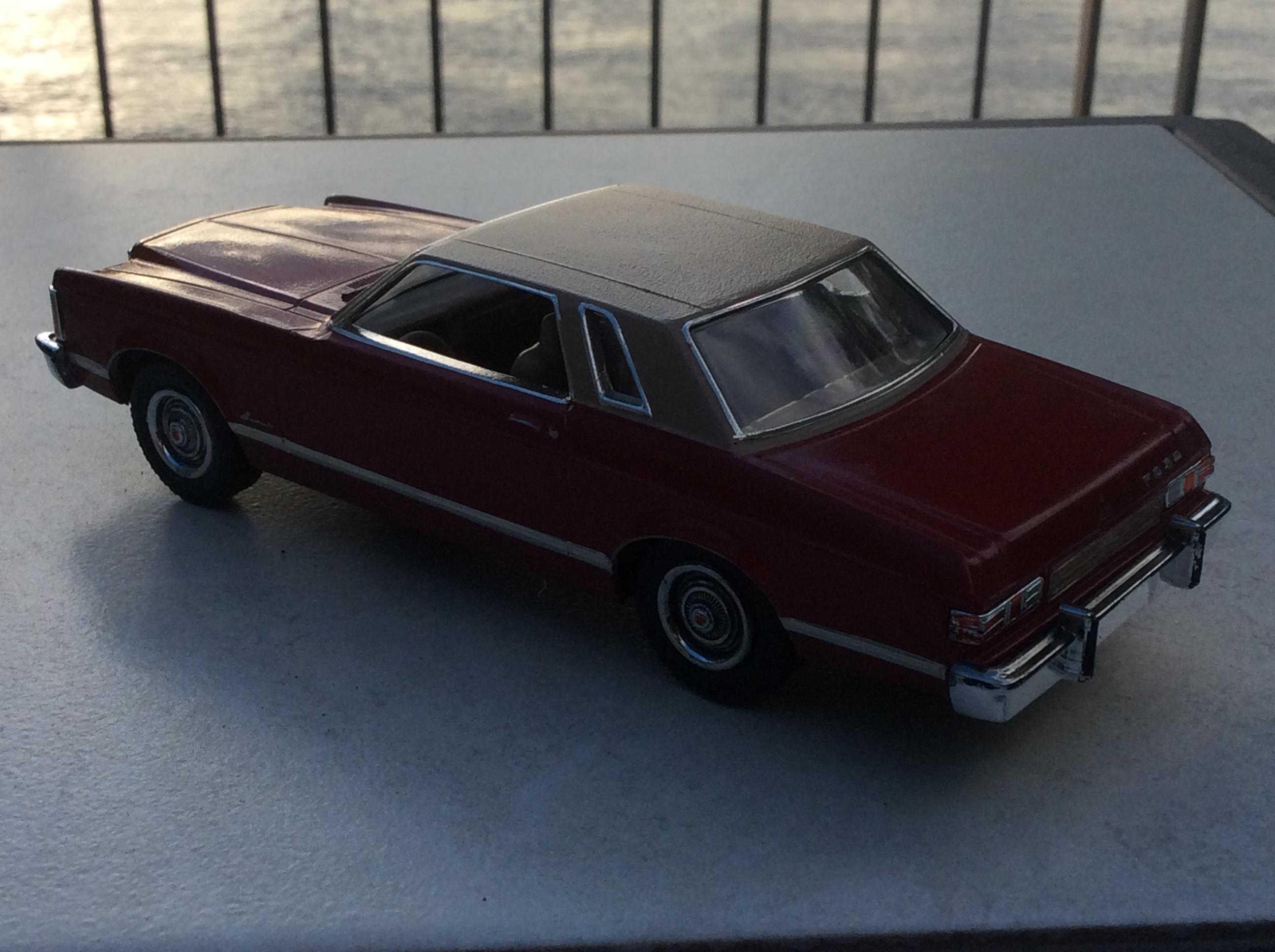
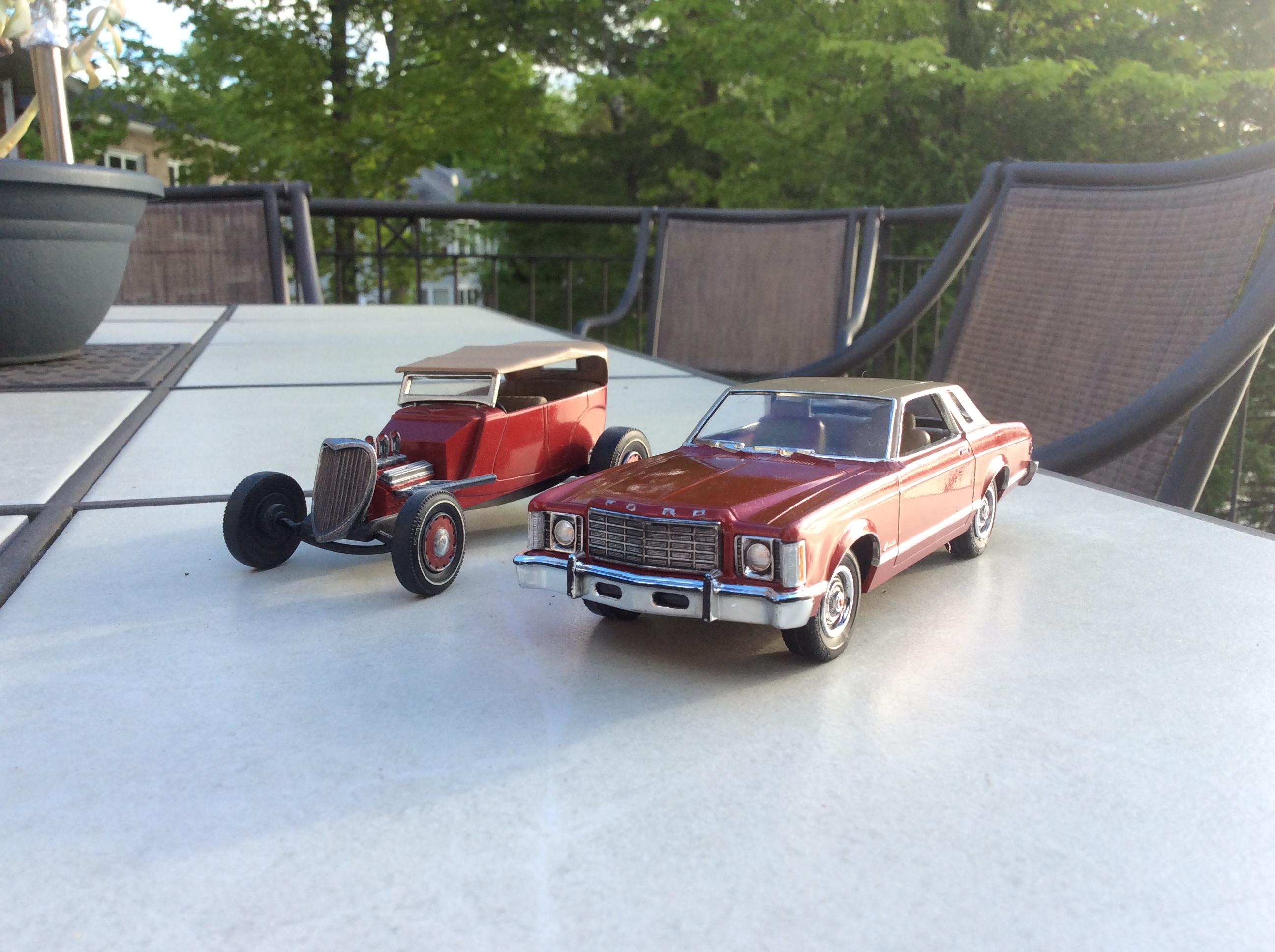
This is another one of my pandemic builds. As I noted in an earlier post, I have been working on models I built when I was a youngster. This Lindberg 1:32 Ford Granada holds a special place because it was the first kit I ever built, and one of the first two kits I received from my mom back in the Summer of 1977 (the other kit was the Lindberg 1:32 ‘34 Ford Tub). The originals didn’t survive for long, so I was glad to buy this one from a friend a couple of years back. Strictly out of box, painted with Testor’s Honduras Maroon lacquer, with a Tamiya AS-15 tan roof and interior. I’ve included a picture of the Granada, next to my ‘34 Tub. They’re not the nicest kits around, but it will be nice to have both of these cars completed and on display in my case.