StevenGuthmiller
-
Posts
15,071 -
Joined
-
Last visited
Content Type
Profiles
Forums
Events
Gallery
Everything posted by StevenGuthmiller
-
Links are a finicky thing on these boards. I’ll be the first to admit that I rarely pay much attention to links. Steve
-
I’ll try to refrain from that in the future. ? Steve
-
From Wikipedia. Not always the "last word" factually, but usually fairly accurate. Sand cores are used to form the internal cavities when the engine block or cylinder head(s) is cast. These cavities are usually the coolant passages. Holes are designed into the casting to support internal sand forms and to facilitate the removal of the sand after the casting has cooled. These holes have no purpose after the sand has been removed. A core plug is a cap at the end of these passages used to prevent water or coolant leaking from the engine. The slang term "freeze plug" is derived from many years ago in situations where the water in an engine block could freeze (due to plain water being used in winter rather than anti-freeze coolant). The expansion of the water as it froze would cause the core plug to pop out of the engine, leading to the term "freeze plug". Steve
-

Which tires will work best for this car?
StevenGuthmiller replied to Monty's topic in Model Building Questions and Answers
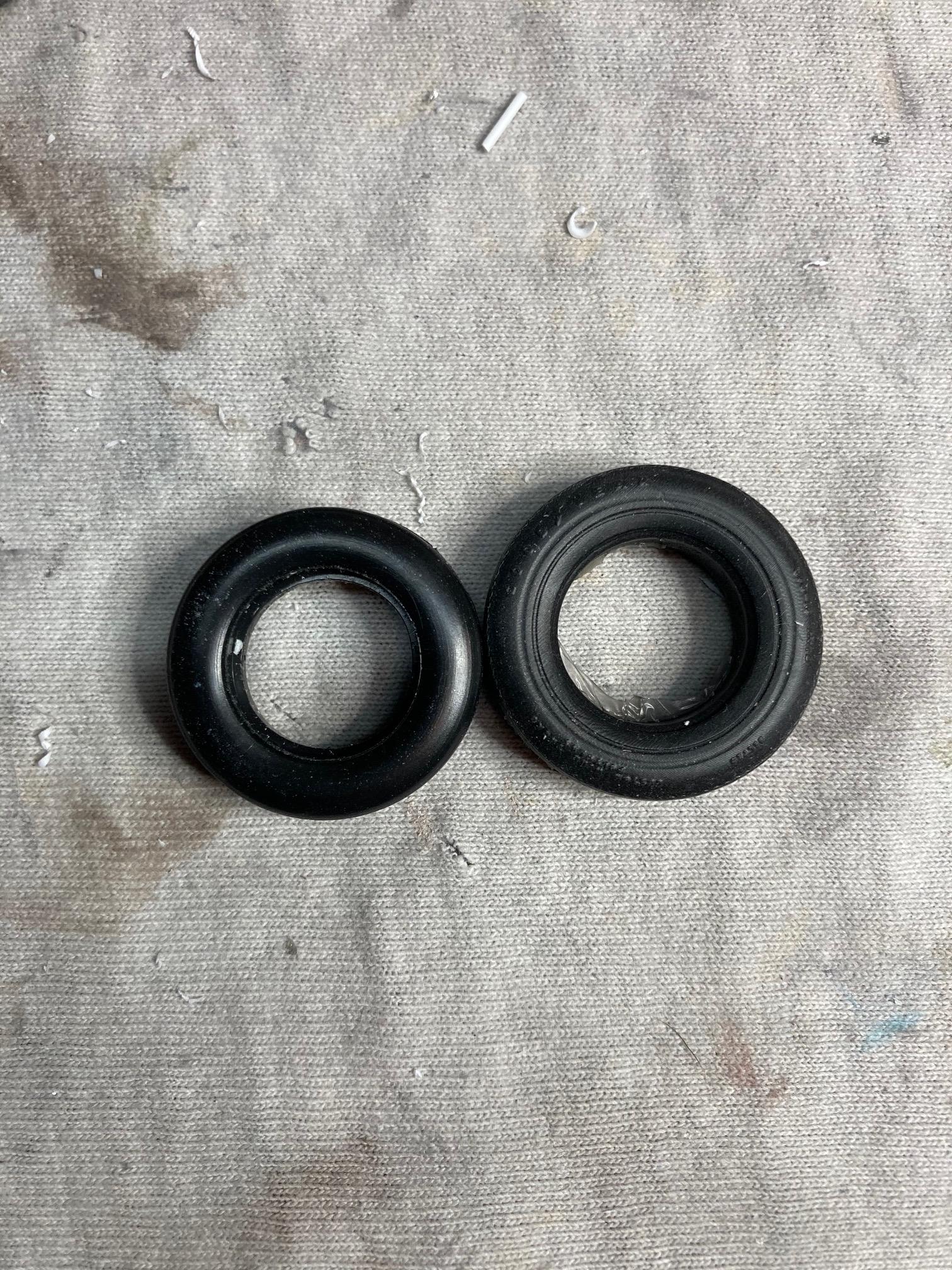
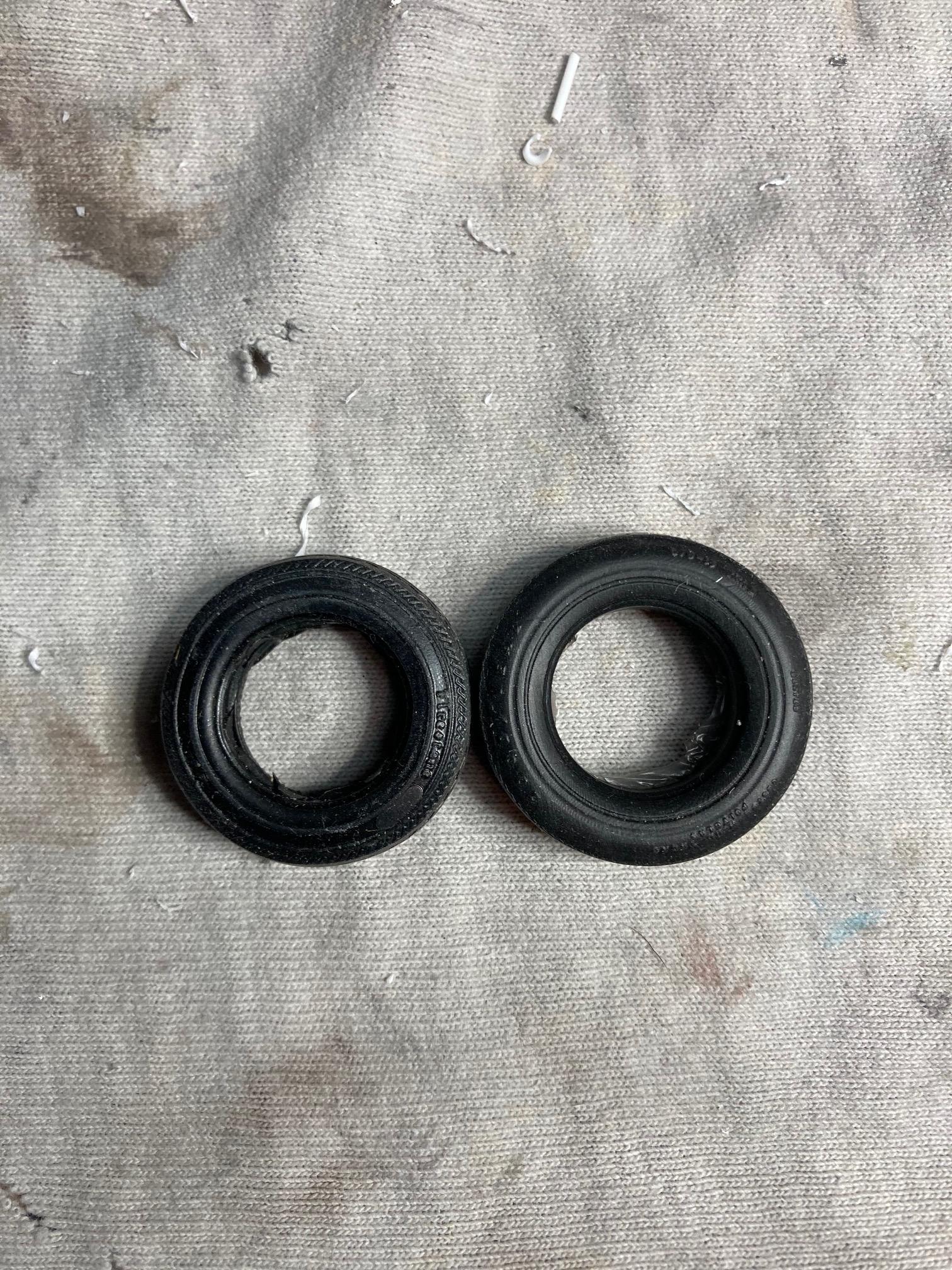
Maybe so fellas, but as we know, there can be a big difference in scale. Here is a pic of the original tires from the Revell '68 Charger kit side by side with the Fireball 15 inch tires I'll be using on my Coronet. Huge difference! And the '66 Nova tires next to the 15 inch. Steve
-
Rich Manson - Ramfins59 Has Passed
StevenGuthmiller replied to Tom Geiger's topic in The Off-Topic Lounge
So sad! I always looked forward to seeing his latest projects. Steve -
Which tires will work best for this car?
StevenGuthmiller replied to Monty's topic in Model Building Questions and Answers
Probably none of them. I would assume that the Nova would have been equipped with 14 inch wheels at the largest. These are all 15 inch, so if you don't want taller, my guess is that none of these will fit with what you want to do. Steve -
I suppose now it's up to me, (someone who doesn't have the slightest interest in the topic at hand) to demand that the thread be locked. That's the usual MO around here. Steve
-
'62 Ford Galaxie 500 Update! 12/23/22 Finally Done! Pic pg. 7
StevenGuthmiller replied to Plowboy's topic in WIP: Model Cars
The XL could be had with the wide side trim as well as the narrow. A good childhood friend's father had a '62 XL It was Chestnut with a Chestnut interior, a 390 with a 4 speed. It had the wide trim in black. Steve -
Thanks guys! Appreciate the info. I might look into the trans tunnel thing, but I will try to remember the radiator support for sure. Steve
-
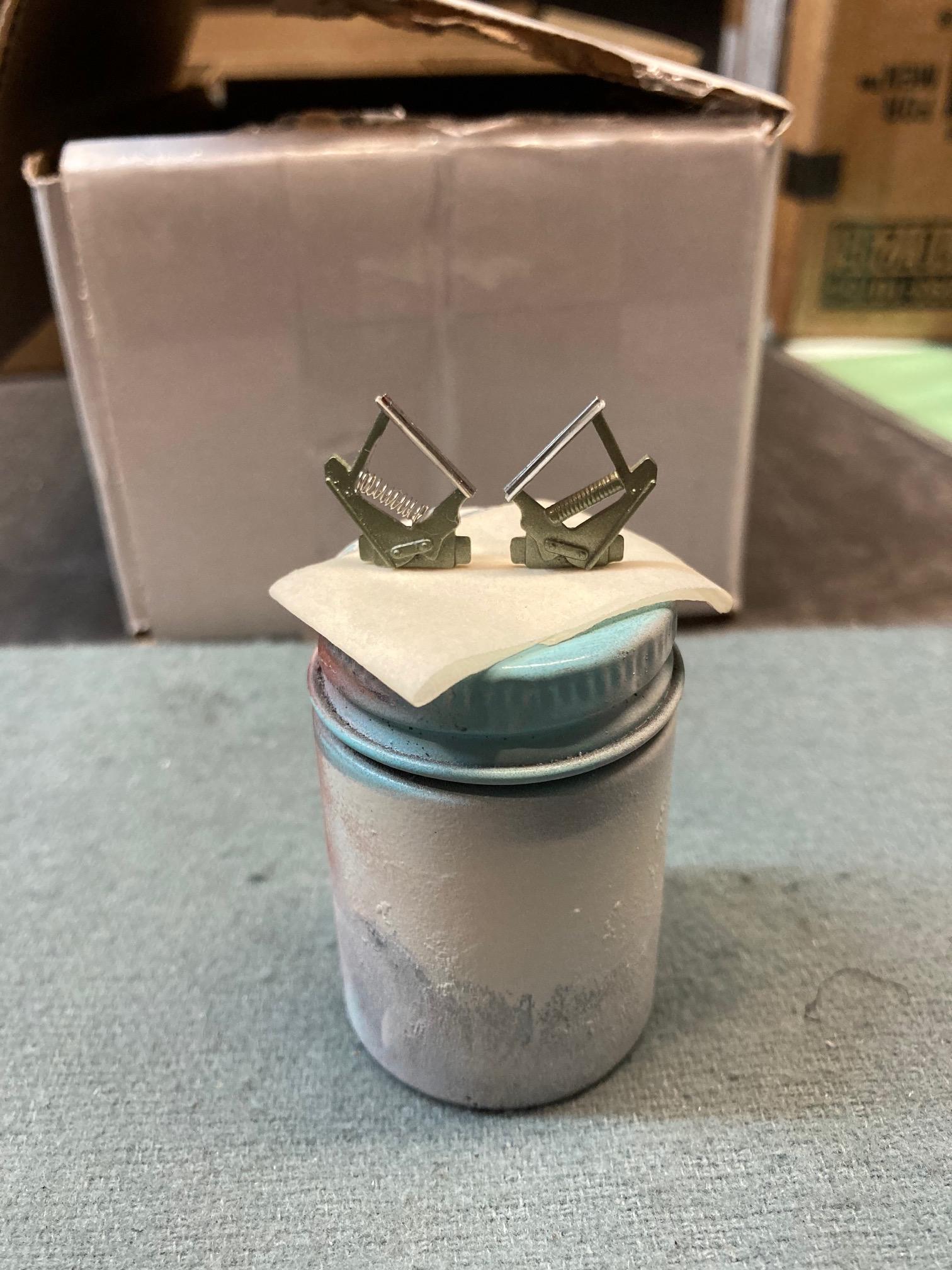
Thanks guys! Just getting some parts cleaned up for primer today. Started replacing the hood hinge springs. Steve
-
I appreciate that everyone. I have to say that it does wonders for my ego to pick up a few awards and see some of my stuff in magazines occasionally, considering that just a few short years ago, I was still working in almost complete anonymity. Prior to about 6 or 7 years ago, I had never attended a show of any kind, I had no club affiliations, had not established any sort of presence online, and I basically knew no one else that was building. I guess that I have my wife to thank for dragging me "out of the closet" we'll say. She convinced me to take a few of my models to a small show back in, I believe, 2015, where I received a "best in show" trophy. Well, that kind of opened things up for me, and now thanks to her, I'm really enjoying realizing that I'm not the only 58 year old on the planet still building model cars! Steve
-
Thanks Joe! From what I've been able to gather so far, it appears that the undercoating in the wheel wells, similar to what I posted in the OP, was applied on every car from the factory. There seems to be some disagreement about whether or not "full chassis" undercoating was available from the factory or not prior to '69, but there does seem to be agreement that most likely, the vast majority of cars with full chassis undercoating were done at the dealership. But, that's a moot point for me. I was more interested in just the fender well application, and just being sure that this was actually a "thing". Steve
-
I thought that I would throw this out there to the Mopar experts to see what your reaction is. I happened to sit down this evening and watched a partial episode of "Graveyard Cars" where they were painting and undercoating the chassis on a '70 Challenger. Apparently, according to the show, the chassis would have been generally primed and then the body color would have been sprayed around the perimeter. (The over spray we all know and love) But then they continued on to spray what they called a "factory undercoating" just in the fender well areas just as haphazardly as the body color over spray. I had never seen this before so I thought that I would look it up for a late '60s B-Body and found these shots. I'm contemplating using this detail on my current 1968 Coronet project. Anybody know anything about this undercoating method? Steve
-
I would be willing to bet that the vast majority of us are somewhere in between. ? Steve
-
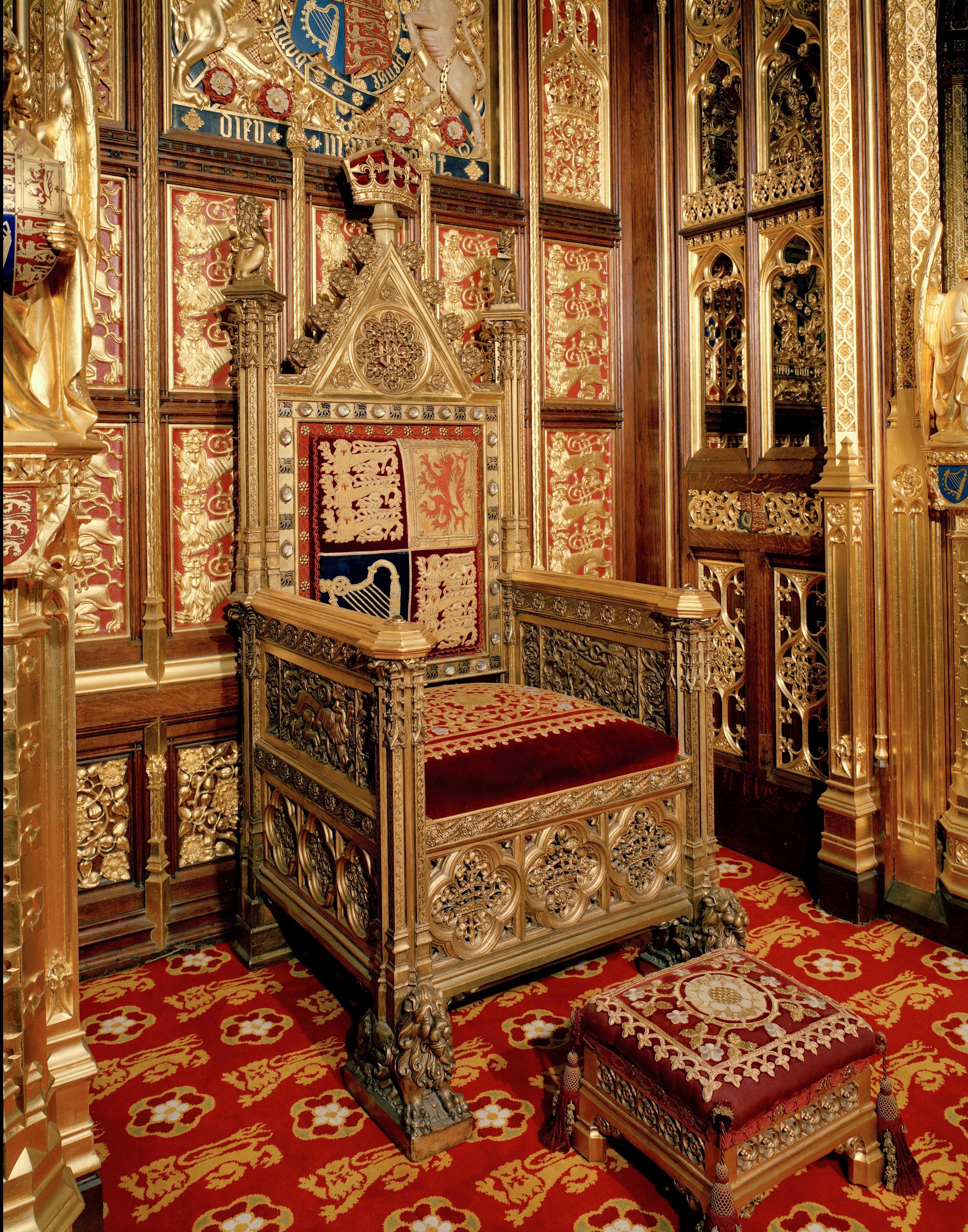
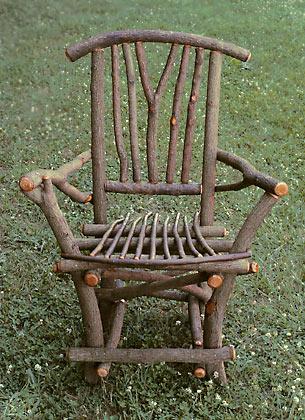
I'll sum up my feelings in this way. You don't have to be a Da Vinci or a Van Gogh to be a craftsman. The people who made these "chairs" were both "craftsman". Steve
-
What Did You Have for Dinner?
StevenGuthmiller replied to StevenGuthmiller's topic in The Off-Topic Lounge
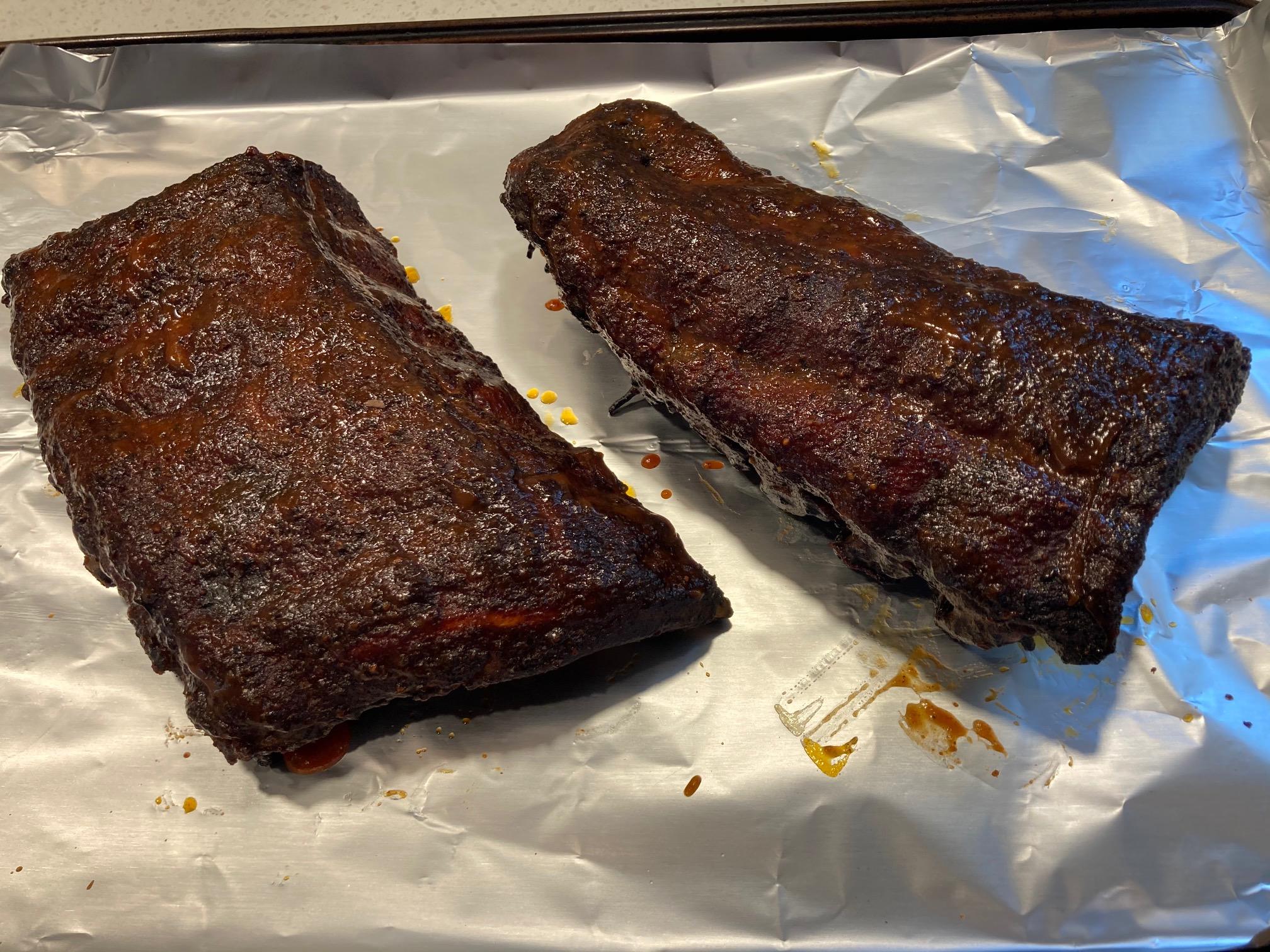
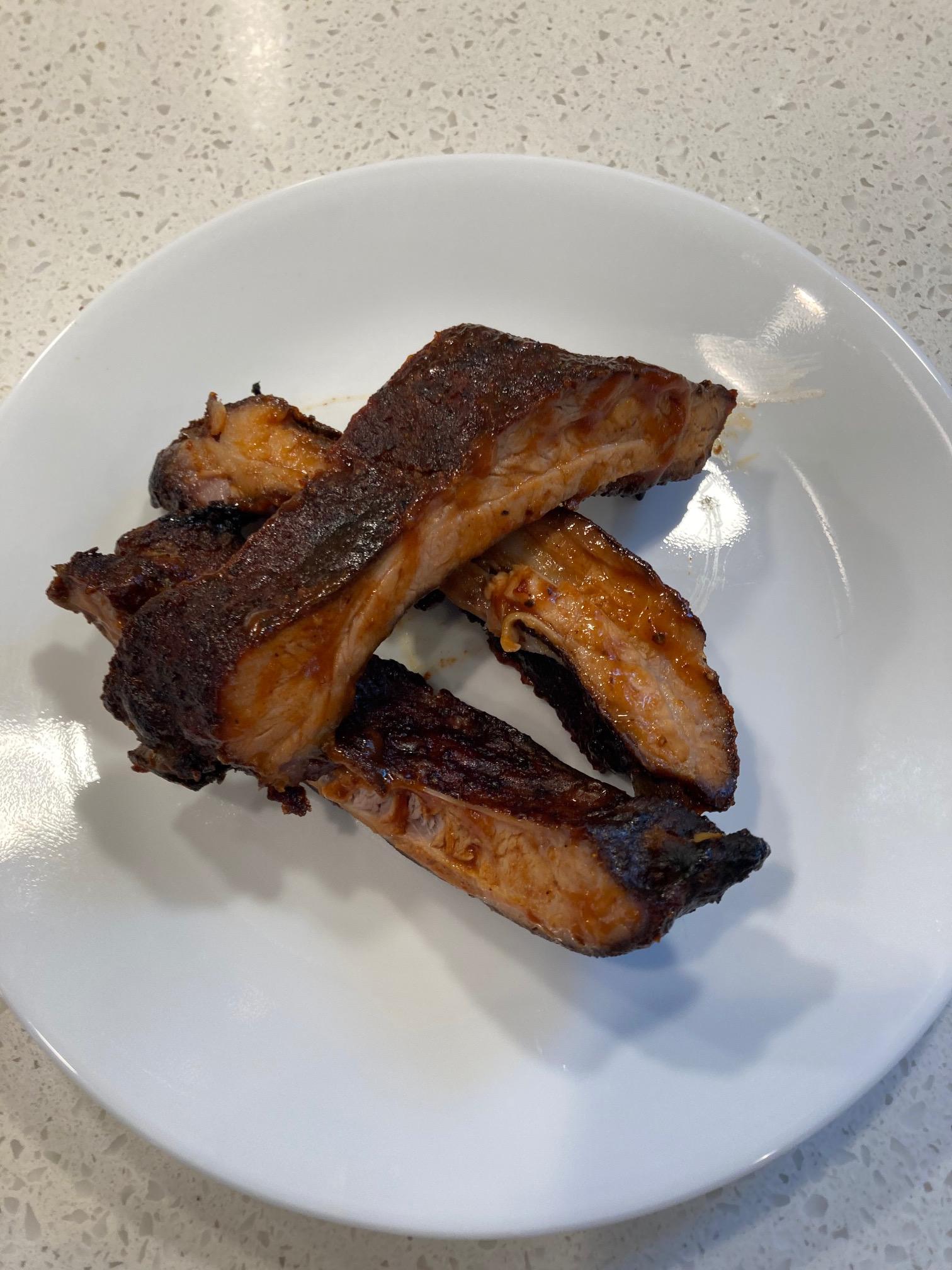
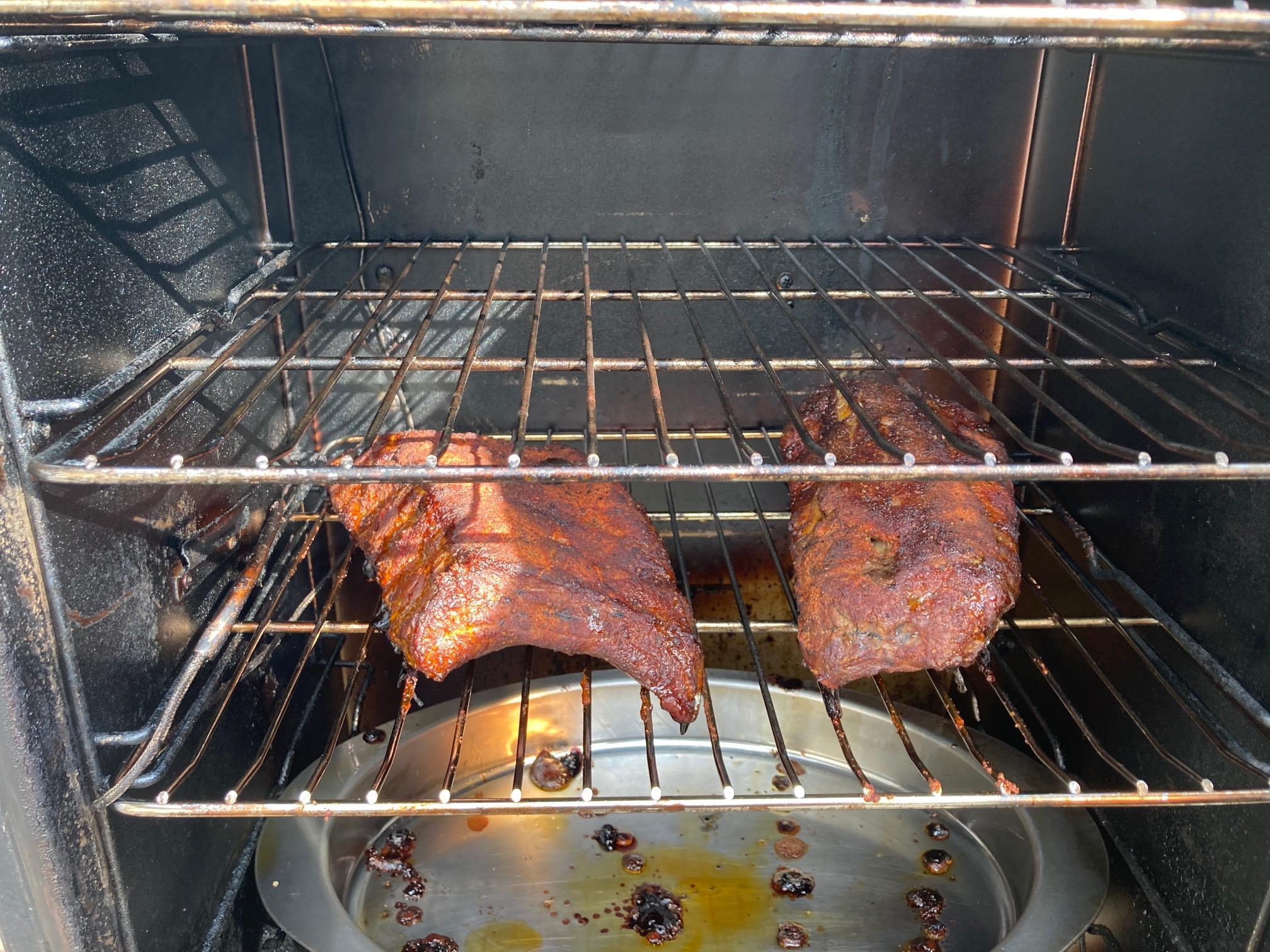
With summer coming to a close, I decided that I would use the smoker for the last time this season before I put it away for the winter. Threw on a rack of ribs, and was rewarded with some of the best ribs I've had in a long time! Now I'm fighting off the "pork coma"! Steve
-
I'm smokin' ribs! Steve
-
The only reason that I suggest flat paint is because it lays down nicer with virtually no chance of orange peel. It's basically like spraying colored primer. The Testors clear lacquer will also lay down flat. Just trying to insure success for a novice........if he's interested at all. I don't know about anyone else, but I remember, (a hundred years ago) that one of my biggest problems with Testors gloss enamel was orange peel. Of course back when I still used Testors gloss enamel, I don't think the airbrush had been invented yet! Steve
-
Thanks much everyone!! Steve
-
If you don't have "disposable income", and you apparently are going to use straight Testors enamel, I don't know why you went through all of these contortions. You should have just used Testors enamel spray bombs! Would have saved you a boat load of time, money and aggravation! Here, let's see if this sinks in. Mix Testors flat enamel, (you can mix any color you want) about 50/50 with lacquer thinner. (should be the consistency of milk) Prime the body with one of Testors lacquer primers, (gray or white) (spray can) Spray on the color in several light coats. (air brush) Finish by clear coating with one of Testors clear lacquers. (spray can) There! It doesn't get any simpler than that, and you're using all Testors products. Steve
-
Finally! Something meaningful!! Steve
-
Then go with Testors! You can spray Testors enamel thinned with enamel thinner on ANY plastic all day long! It's never going to hurt the plastic! I don't know why you keep bringing Don Yost or Andy X into the conversation if you're just going to use Testors enamel thinned with enamel thinner. That's not a METHOD, that's just painting with enamel, the same way most of us did it when we were 12! Honestly, if your whole philosophy on painting boils down to wanting to use straight Testors enamels sprayed over bare plastic, I don't know what all of the questions are about. If that's your plan, just do it! Every person on this forum is very likely to have a different method for painting, and if you had a specific question once you were actually into the process of painting, you might get a cogent answer. But when your question is, "how do I paint", you're going to get answers that are as vague as the question. You apparently have a plan, it's time to execute it! Steve
-
Another suggestion completed. Thanks Bob and David! Steve
-
Steve
-
Absolutely John. Of course, all suggestions are welcome, but I had made the manifold/header decision some time ago. Steve